

Because of this fact, a person with an alcohol use disorder may have several failed attempts to stop drinking. When someone develops an alcohol use disorder, they will show signs or symptoms that are characteristic of this condition. To a lesser extent, vacuoles also develop in the granulocyte precursors of alcoholics. This finding is not specifically alcohol related, however, because other events that interfere with WBC production (e.g., infections) may induce similar structural changes in the granulocyte precursors.
An alcohol use disorder is a legitimate medical condition that causes lasting changes in the brain. Once a person develops an alcohol use disorder, they will continue to drink, even in the face of serious consequences, such as health problems caused by alcohol. Brain changes from repeated alcohol misuse lead to compulsive drinking and make it difficult to stop without treatment. For individuals with cirrhosis, avoiding blood-thinning medications (e.g., aspirin alcohol rehab or warfarin) and using protective gear during physical activities can minimize bruising risk. Regular monitoring by a hepatologist ensures timely adjustments to treatment plans. While bruising alone doesn’t confirm alcoholism or cirrhosis, it serves as a visible warning sign—one that demands attention to protect both liver and overall health.
Myth: Drinking one glass of alcohol a night has no impact on your health.
Remember, early intervention is key to helping individuals overcome alcoholism and reclaim their lives. Furthermore, alcoholism can weaken the immune system, making individuals more susceptible to infections. Chronic alcohol abuse can impair the body’s ability to fight off pathogens, leaving individuals more prone to illnesses such as pneumonia, alcohol and bruising tuberculosis, and various types of infections. This weakened immune system can also slow down the healing process, leading to prolonged recovery times for injuries and wounds. Jaundice causes a yellow tint to the skin and the whites of your eyes because of a buildup of bilirubin in the body. Bilirubin is a yellowish compound made in the normal breakdown of red blood cells.
What’s the Best Cushion to Improve Body Awareness in Alzheimer’s?
Early recognition allows timely management to prevent life-threatening complications. The liver can replace damaged cells when blood flow and structure remain intact. Regeneration works best in early disease stages where scarring is minimal. Once scar tissue disrupts circulation, repair becomes limited and incomplete. And since the liver controls blood clotting, alcohol-related liver disease can cause increased bruising, as well. Other signs of an alcohol use disorder include spending a significant amount of time drinking, or consuming larger quantities of alcohol than intended.
The Hematological Complications of Alcoholism
This may lower your risk for the type of strokes caused by blockages in blood vessels. The researchers also highlight an association between alcohol consumption and worse adherence to psoriasis treatment. Having a glass of water between each alcoholic drink may decrease the risk of dehydration. Platelets actually are not intact cells but disc-shaped cell fragments without nuclei that are released from giant precursor cells in the bone marrow called megakaryocytes.
- The cerebellum is particularly sensitive to severe alcohol consumption.
- This usually takes about 2 weeks, but many will heal sooner than that.
- The best approach to prevent alcohol-induced bruising is to minimize or stop consuming alcohol in large volumes.
- Additionally, individuals may display a loss of interest in activities they previously enjoyed.
Notably, ecchymosis patterns on the body can vary in intensity and size, with some individuals experiencing widespread bruising across multiple areas while others may present with isolated patches of discoloration. The severity and distribution of ecchymosis can serve as visual indicators of the individual’s overall health and the extent of alcohol withdrawal symptoms. These skin bruises emerge due to the profound physiological changes occurring during alcohol withdrawal, notably affecting the blood vessels’ integrity and resilience. Ecchymosis as a sign of alcohol withdrawal signifies the body’s struggle to adapt to the sudden absence of alcohol, leading to vascular instability and increased susceptibility to bruising.
A study published in the Journal of Forensic and Legal Medicine found that individuals who consumed alcohol had a higher likelihood of bruising compared to those who abstained from alcohol consumption. Additionally, chronic alcohol consumption can lead to deficiencies in certain vitamins and minerals, particularly vitamin K, which plays a crucial role in blood clotting. Deficiencies in vitamin K can exacerbate bruising and prolong the healing process. Furthermore, alcohol can impair judgment and coordination, increasing the risk of falls and injuries that result in bruising. For those concerned about their alcohol consumption, monitoring bruising patterns can serve as a tangible indicator of the need for lifestyle changes. Reducing alcohol intake can significantly improve liver function and, consequently, blood clotting.
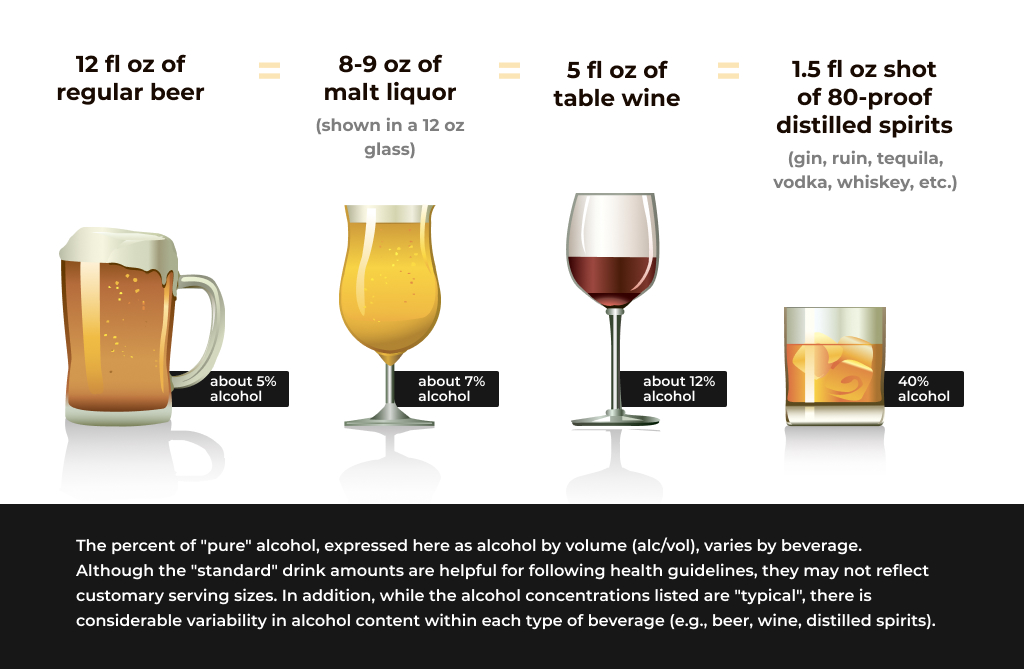
This is especially true when you consider the increased likelihood of them falling. Binge drinking, which includes consuming a large quantity of alcohol in a short period, may be harmful to our health. It’s important to understand the consequences of binge drinking, which include an increased chance of alcohol bruising on arms and legs and other major and minor health issues. We may prioritize our health and well-being by being careful of our alcohol use and avoiding binge drinking.
Accidental Injuries
- As a result, you may be more likely to smack your knuckle on the knob and wake up with a bruised hand the next day.
- Alcohol affects virtually every organ and tissue in the body, with multi-factorial actions on cellular and molecular functions.
- Platelets actually are not intact cells but disc-shaped cell fragments without nuclei that are released from giant precursor cells in the bone marrow called megakaryocytes.
- Additionally, heavy drinkers usually get most of their calories from alcohol.
Our dedicated team offers compassionate support, ensuring you have the guidance and resources needed to navigate your journey to sobriety and wellness. To aid in bruise healing, it is best to limit or avoid alcohol consumption altogether until the bruise has healed. More significant changes in skin tone or a yellowing skin tone could be a sign of jaundice and progressing liver damage or hepatitis. They can make it harder for https://offarat.store/what-is-korean-lover-game-and-why-is-it-dangerous/ your body to produce collagen, a key component of healthy skin cycles, and for your skin to heal after any kind of trauma. Persistent skin sores and skin infections are more common in people with weakened immune systems. Put simply, the body doesn’t handle the alcohol in the same way as drinkers without the mutation.
The available data also suggest that alcohol can interfere with a late stage of platelet production as well as shorten the life span of existing platelets. AC is an enzyme that plays a role in the transmission of signals from a cell’s exterior to its interior; the enzyme’s levels in the body are genetically determined. Several studies have found that AC levels in the platelets as well as in some white blood cells are frequently reduced in alcoholics compared with nonalcoholics, even after long periods of abstinence.
