

Understanding the psychology behind gambling decisions and risks
The Role of Cognitive Biases in Gambling
Cognitive biases significantly influence gambling behaviors, often leading players to make irrational decisions. One common bias is the illusion of control, where gamblers believe they can influence the outcome of games of chance, such as slots or roulette. This illusion can lead to risky behaviors, as players often underestimate the role of randomness in gambling outcomes. Additionally, players frequently explore options like https://luxurycasinoplay.com/ to enhance their gaming experience.
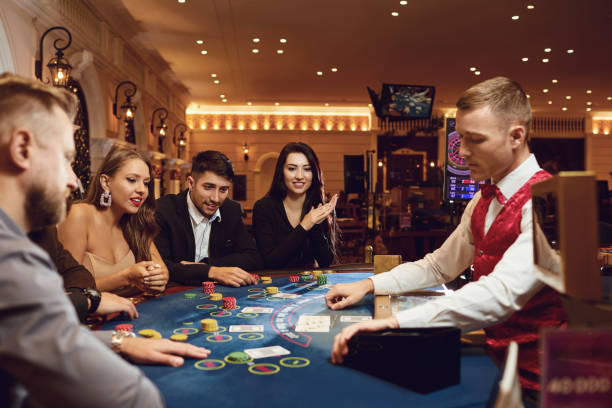
Another prevalent bias is the gambler’s fallacy, which is the mistaken belief that past events affect future probabilities. For instance, a player may think that after a series of losses, a win is “due.” Such biases can cloud judgment and increase the likelihood of continued play, despite mounting losses, perpetuating a cycle of risk-taking.
The Role of Emotional Triggers in Gambling Decisions
Emotions play a critical role in gambling choices, often driving players toward high-risk decisions. Many gamblers experience excitement and thrill when placing bets, which can lead to impulsive actions. The rush associated with winning can create a positive feedback loop, prompting individuals to chase those highs even when it’s detrimental to their finances or well-being.
Anxiety and stress can also trigger gambling as a coping mechanism. Individuals facing emotional challenges may turn to gambling as a means of escape, unaware of the potential risks involved. Such emotional triggers often blur the line between entertainment and addiction, making it crucial to understand their impact on gambling behavior.
Social Influences on Gambling Behavior
Gambling is often a social activity, and peer influence can shape decisions significantly. Players may be more likely to take risks when gambling with friends or in a communal setting, driven by the desire for acceptance or shared excitement. This social pressure can lead to escalating bets and a disregard for personal limits.
Furthermore, the presence of a supportive social network can either mitigate or exacerbate gambling risks. Friends who encourage responsible gambling can help maintain limits, while those who promote reckless betting can contribute to harmful behavior. Understanding these social dynamics is essential for fostering healthier gambling habits.
The Impact of Marketing and Environment
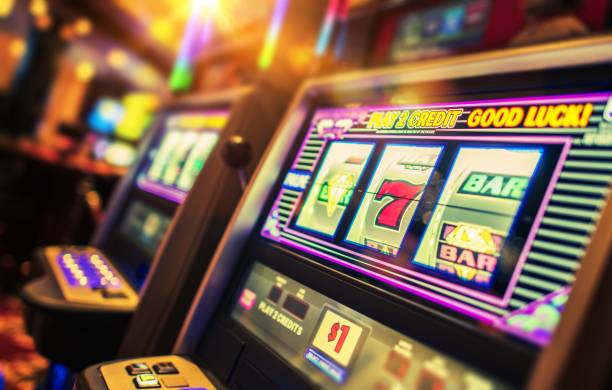
Marketing strategies and the physical environment of casinos play a crucial role in shaping gambling behavior. Casino design often incorporates elements that promote a sense of euphoria and excitement, such as bright lights and enticing sounds. These sensory inputs can lower inhibitions and make it easier for players to engage in risky behaviors.
Additionally, promotional offers and bonuses can create a false sense of security, leading players to believe they have a better chance of winning. This manipulation of perception often causes players to gamble more than they initially intended, increasing the overall risks involved. Awareness of these marketing tactics can empower players to make more informed decisions.
Luxury Casino’s Commitment to Responsible Gaming
Luxury Casino NZ prioritizes responsible gaming, ensuring that players have a safe and engaging environment. The platform promotes awareness of the psychological factors that influence gambling decisions, helping users make informed choices. With comprehensive resources and a dedicated VIP program, Luxury Casino offers tools for managing gambling behavior and enhancing the overall experience.
Beyond offering a wide range of games, the casino emphasizes fair gaming practices and player protection. By fostering a commitment to responsible gambling, Luxury Casino aims to create an enjoyable yet safe online gaming experience tailored to the needs of players in New Zealand.
